Sovereign AI · Ventura, California
On-premises AI that makes real parts.
Agentic systems that run inside your building, on hardware you own, against data that never leaves. Backed by a working fabrication shop, so the software is tested against machines rather than assumptions.
Generated output
This part was described in a sentence.
A plain-language request went in. Forge produced a specification, checked it against real machine limits, repaired what failed, and wrote a cut-ready file — entirely on local hardware, with no external call.
Part NoAPEX-BRKT-01
MaterialAL 5052 · 2.0mm
Generated byForge / local
DFM resultPASS · 0 ERR
Flat pattern · DXFRev 02
Cut layer
Bend layer
Dimension
0External inference calls
11DFM rules enforced
6Fabrication processes in-house
20+Years manufacturing
The problem
The organisations with most to gain from AI are the ones least able to adopt it.
Not because the technology fails. Because the deployment model does.
Constraint 01
The data cannot leave
Controlled-information requirements, customer NDAs, and privilege obligations rule out sending drawings, specifications, or case files to a third-party endpoint. Most pilots end there.
Constraint 02
Metered pricing punishes volume
Per-token billing charges most for exactly the repetitive high-volume work that justified automating in the first place. Costs rise as adoption succeeds.
Constraint 03
Rented models get deprecated
Providers change terms, retire models, and shut down. A production workflow built on someone else’s roadmap inherits every decision they make.
What we build
A private AI stack, commissioned and handed over.
We specify the hardware, build the system, deploy open-weight models, encode your constraints, integrate it with how your team already works, and hand it over. You own it outright. No subscription, no metered call, no dependency on us.
Products
Four agents on one stack.
Each solves a different repetitive problem. All of them run on the same private infrastructure, against the same private data.
Flagship · Phase 1 operational
Forge — design to fabrication
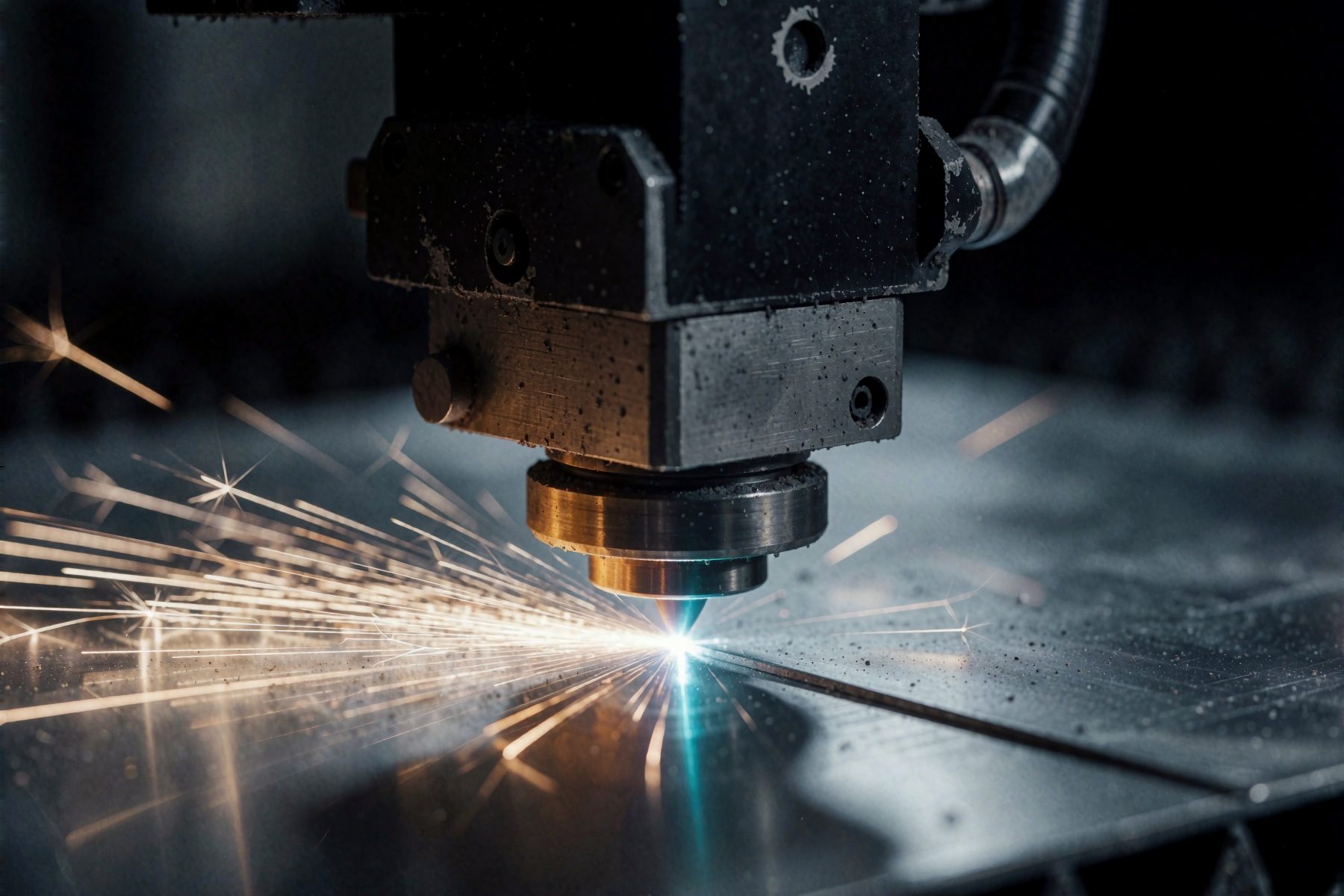
Describe a part in plain language. Forge produces a specification, validates it against your actual machine limits, repairs anything that fails, and writes a cut-ready file. Nothing unvalidated reaches a machine.
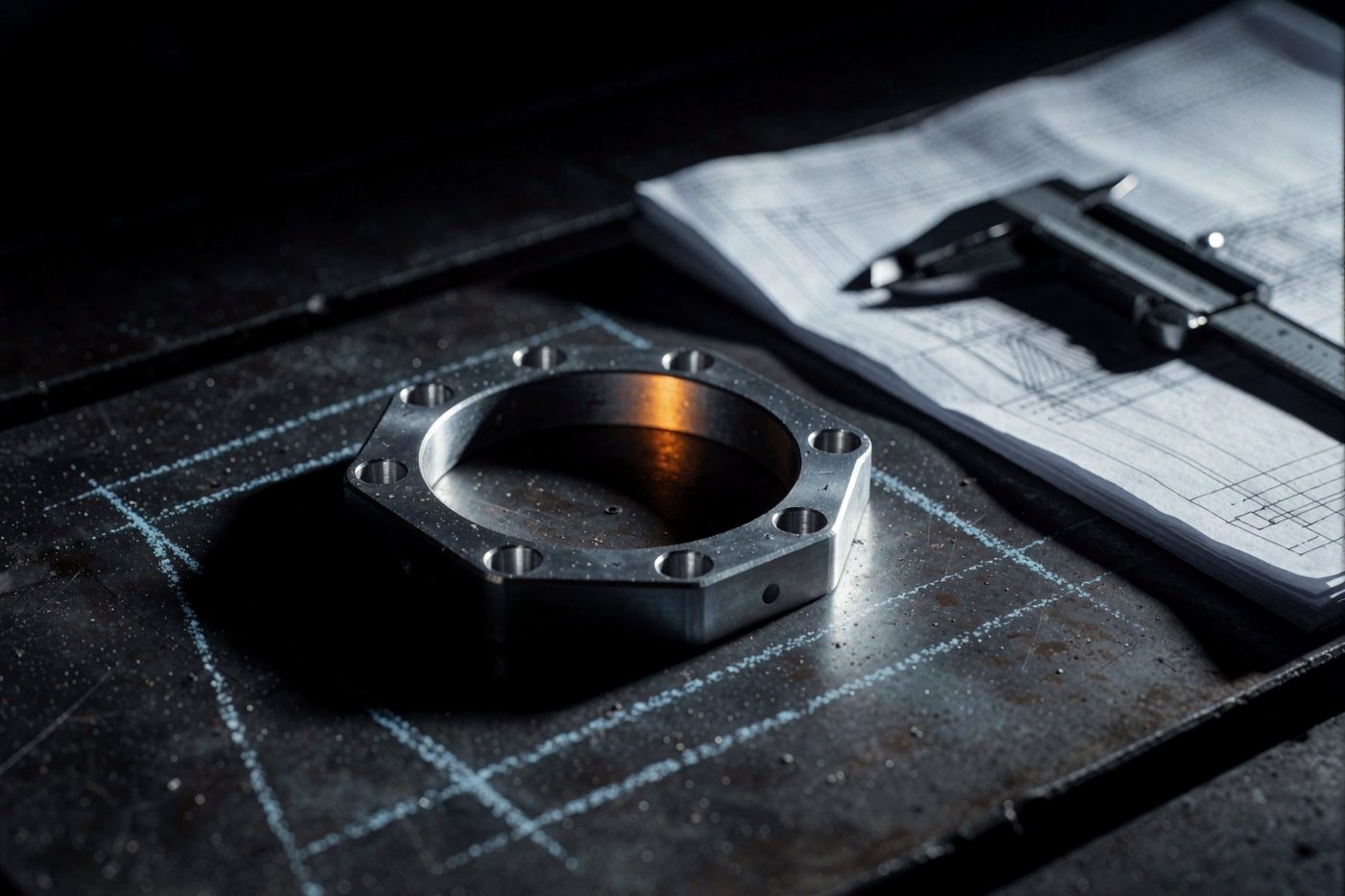
Phase 1 operational
Studio — private generative media
Brand-controlled image and video generation running on your own GPUs. Unreleased product imagery, campaign variants, and concept work stay inside the network perimeter, with no asset uploaded anywhere.

In development
Intelligence — quoting and capacity
Autonomous quoting, material sourcing, and schedule reconciliation against live shop constraints. The agent reads the RFQ, checks stock and machine queues, and returns a defensible number with a lead time.
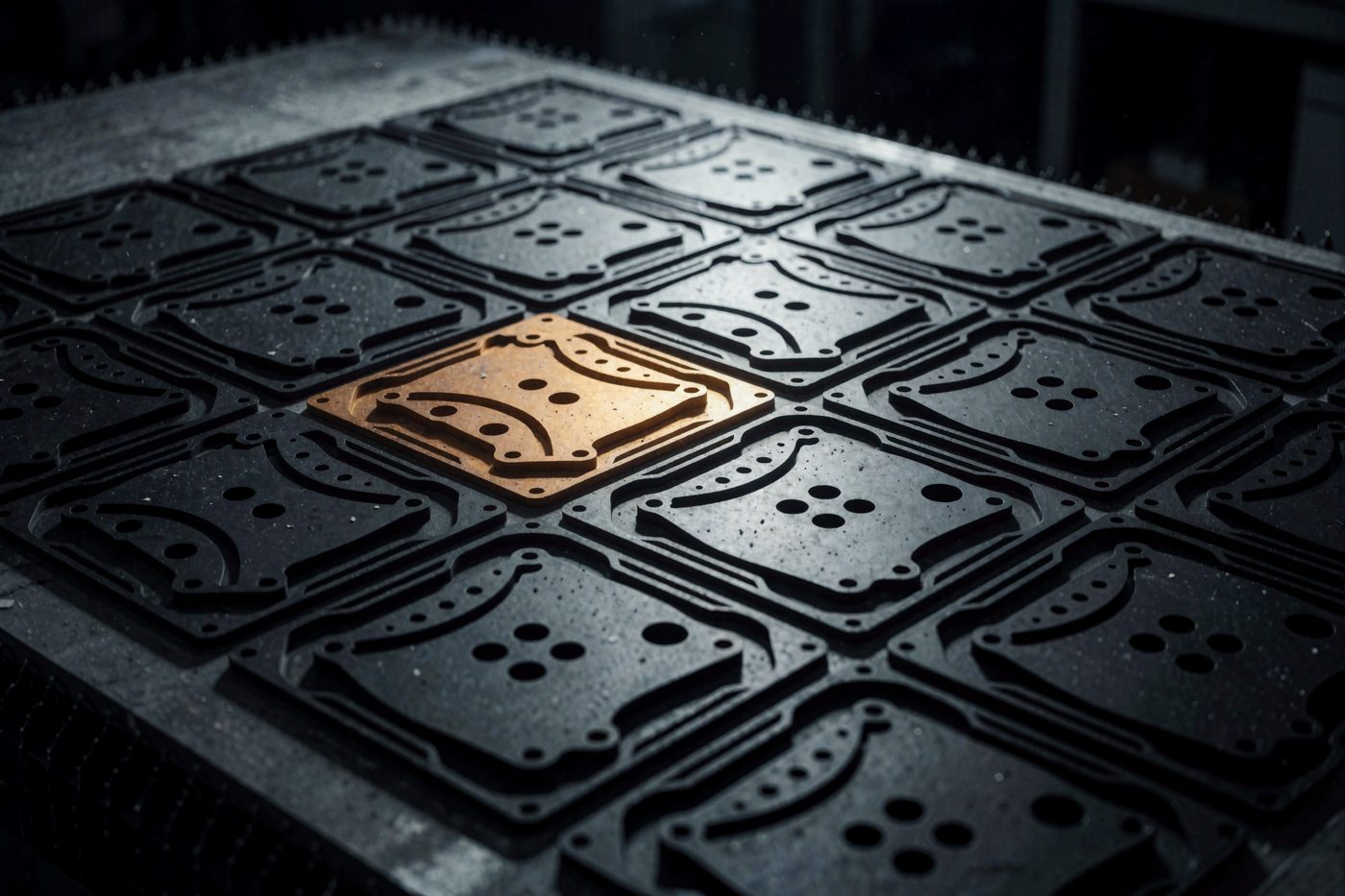
In development
Checker — engineering review
Specification ingestion, tolerance and cost analysis, and design review grounded in your own internal documentation. Answers cite the source drawing or standard they came from.
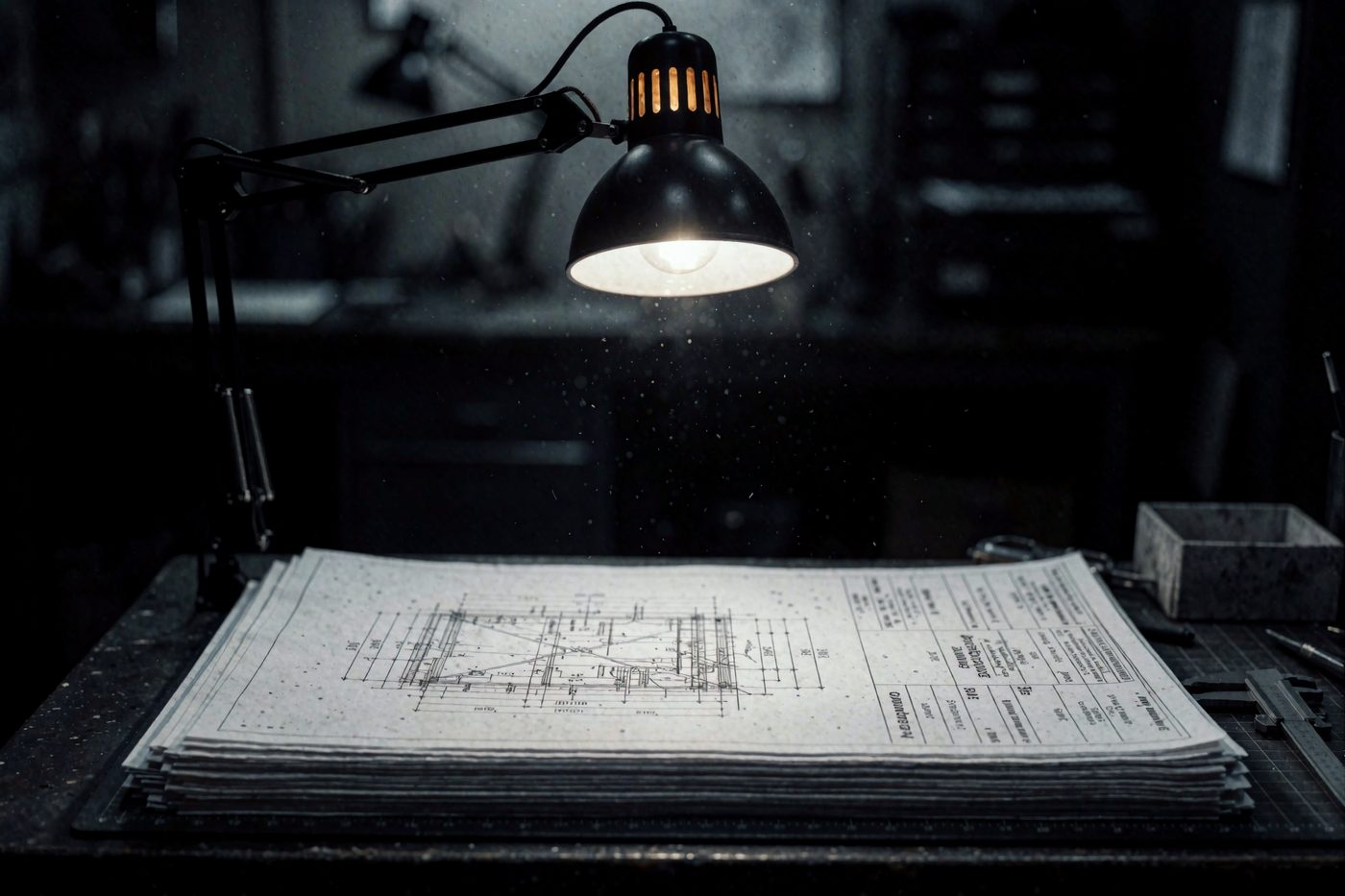
Why us
Most AI companies cannot touch metal.
The hard part of applied AI in manufacturing is not the model. It is the boundary where a generated design has to become a real object with tolerances, a material, and a cost.
Software-only
- ×Generates a design it cannot build
- ×No feedback from production reality
- ×Cannot validate manufacturability
- ×Ships a file and hopes
Avid Inventions
- ✓Generates it and physically produces it
- ✓Production data feeds the next revision
- ✓Rules derived from our own machines
- ✓Ships a working part
Start with a working system, not a pilot deck.
Tell us what your team does repeatedly that cannot leave the building. We will tell you honestly whether it is a fit.